Who Is This Tent Actually For?
Quictent 10x30 Party Tent is designed for the kind of person who hosts multiple outdoor events a year. Weekend warriors who set it up once in June, fold it away, and drag it out again for Labor Day will find plenty of value here. So will small business owners running flea market stalls, community organizers running fairs, church groups hosting outdoor services, and families who've committed to making their backyard the gathering place every summer.
The 10x30 footprint provides 300 square feet of covered space — enough to comfortably seat 25 to 30 people with tables and chairs. Some configurations, particularly standing-room setups, push the comfortable guest count closer to 40 to 50. That puts it in a genuinely useful middle ground: large enough to feel like a proper venue, small enough to transport and store without a dedicated trailer.
If you're a one-event-per-decade host who needs shelter for a single afternoon, a cheaper rental canopy probably makes more financial sense. But if outdoor hosting is part of your lifestyle — or your livelihood — this tent earns serious consideration.
First Impressions — Design and Build Quality
Pull the Quictent 10x30 out of its storage bag and the first thing you notice is that it doesn't feel flimsy. That's not nothing, in a category where thin aluminum poles and cheap polyester fabric are the norm at this price point.
The frame tubes are made of heavy-duty white powder-coated steel, which makes the structure both rust-proof and weather-resistant. Powder coating isn't just an aesthetic choice — it's a functional one. Steel frames left uncoated rust quickly when exposed to morning dew, rain, and seasonal storage conditions. The white powder coat gives this tent a clean, professional look that doesn't scream "backyard hardware store special," while also protecting the integrity of the metal over multiple seasons of use.
The canopy cover is made from an enhanced polyethylene fabric — tear-proof, waterproof, and UV-resistant — with industrial-grade construction for long-lasting durability.
The newer variants of this tent line, particularly the mesh window models, use a 500D high-density Oxford fabric that delivers UPF 50+ UV protection and 2000mm water resistance. For context, 2000mm water resistance means this fabric will handle a steady rain without leaking — not just a light sprinkle.
The overall silhouette is clean and functional. The flat-top design (in some variants) reduces wind resistance, which matters more than people think when you've got a tent erected in a field on a breezy Saturday afternoon.
The Removable Sidewalls — The Feature That Changes Everything
The headline feature of the Quictent 10x30 isn't the frame or even the roof. It's the removable sidewall system, and it deserves its own section because it genuinely changes how versatile this tent is across different event types and weather conditions.
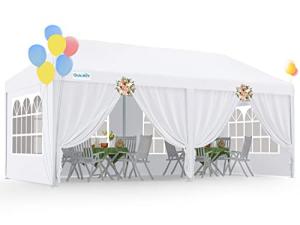
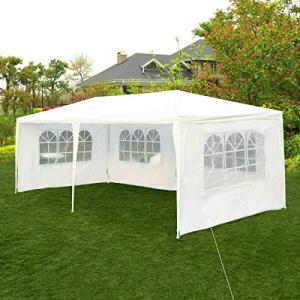
The tent includes 6 windowed sidewalls and 2 zippered doors that can be removed or repositioned to suit different event styles or weather conditions — whether aiming for a breezy, open-air setup or a more private enclosure, the sidewalls allow users to adjust light, ventilation, and access easily.
That flexibility is the key thing. A tent that's fully open on all sides on a perfect 75-degree summer day becomes a fully enclosed shelter when temperatures drop or when rain moves in unexpectedly. This isn't a tent that forces you to choose between airflow and protection — it lets you have both, adjustable on the fly.
The removable doors help create cross ventilation, ensuring guests stay protected, cool, and comfortable throughout the event. The sidewalls also include transparent PVC windows for added airflow.
In mesh window configurations, the sidewalls feature roll-up covers that can be opened for summer breezes or closed for warmth and privacy during cooler gatherings — making this a genuinely all-season option for backyard events.
The newer hook connection system seen in updated Quictent models takes this a step further. The unique hook connection ensures sidewalls attach to the frame with precision and ease, offering a cleaner, more aligned look than common Velcro or snap fasteners. That's a small engineering improvement that makes a meaningful difference in how polished the finished tent looks — especially important if you're using it for a wedding, a formal reception, or a professional event where aesthetics matter.
Setup — Realistic Expectations
Let's be honest about something: a 10x30 foot tent is not a one-person, five-minute job. Anyone who tells you otherwise is either exaggerating or has done it so many times that the learning curve has completely flattened out.
Setup takes roughly 30 minutes for one person working mostly alone, and the time decreases significantly on subsequent setups once the process becomes familiar.
The general assembly sequence follows a logical flow: place the steel pipes according to the instructions, connect them, install the fabric, connect the bottom pipe, then connect all the steel pipes before securing the tent with ropes and ground pegs.
The newer pop-up variants feature a synchronized 3-central lock system that allows two people to push up the central hubs simultaneously, expanding the full 300 sq. ft. venue in minutes. Thumb-latch buttons offer three height levels up to 115 inches.
That height ceiling — nearly 10 feet at the peak — is worth emphasizing. It's the difference between a tent that feels like a temporary structure and one that feels like an actual room. Guests can stand comfortably, decorations can hang naturally, and the overall ambiance shifts from "covered picnic" to "outdoor venue."
Customer feedback consistently notes that two people can manage assembly with relative ease, and that one couple — described as two women in their sixties — assembled it successfully with only minor assistance from family on the final step. That's a meaningful data point for anyone worried the assembly process requires significant physical strength or technical expertise.
The instructions are functional if occasionally vague. Experienced tent assemblers will find the process intuitive. First-timers should plan for the learning curve and schedule an extra 20 to 30 minutes on their first setup.
Stability and Anchoring — Where It Matters Most
A tent that looks great on a calm afternoon and becomes a liability in a breeze isn't worth owning. Stability under real weather conditions is where the Quictent 10x30 earns — or loses — its credibility.
The newer flagship variant includes a professional 16-point anchoring system with 16 ground stakes (double the standard amount), 8 ropes, and 4 sandbags. That's a serious anchoring kit. Most budget canopies ship with 4 stakes and 4 ropes. Doubling both, plus adding sandbags, signals that the manufacturer has actually thought about real-world wind conditions.
The 32mm powder-coated metal poles are paired with ground stakes and tie-down ropes to reduce swaying and maintain stability in calm outdoor settings including backyards, lawns, and paved areas.
The aerodynamic flat-top design, paired with the anti-rust steel frame, provides stability for community fairs, flea markets, and large family reunions on breezy days.
That said, no tent in this category is designed for extreme weather. Anchoring with ground nails or expansion screws in windy conditions is recommended, and the tent should not be used in heavy rain, snow, or extreme weather. The manufacturer also recommends never leaving the canopy erected overnight or under severe weather conditions.
One real-world caution: customer accounts mention that wind events have caused damage when the tent wasn't properly anchored. Wind gusts above roughly 15 knots can be an issue, particularly during setup before the structure is fully secured. The lesson here is straightforward — use every anchor point provided, and don't leave the tent unattended in changing conditions.
Quictent 10x30 vs. The Competition — Comparison Table
The 10x30 party tent category is reasonably crowded. Here's how the Quictent holds up against its most direct competitors:
| Feature | Quictent 10x30 (B00568PKRO) | Smartxchoices 10x30 | Coleman 10x30 Instant | JupiterForce 10x30 |
|---|---|---|---|---|
| Footprint | 10 x 30 ft (300 sq ft) | 10 x 30 ft (300 sq ft) | 10 x 30 ft (300 sq ft) | 10 x 30 ft (300 sq ft) |
| Canopy Material | 120g–500D PE/Oxford | 120g PE | Polyester | 120g PE |
| Frame Material | Powder-coated steel | Powder-coated steel | Steel | Steel |
| Removable Sidewalls | 6–8 panels + 2 zippered doors | 5 sidewalls + windows | 3 sidewalls | 8 sidewalls |
| Mesh Windows | Yes (5–6 mesh panels) | Yes | Limited | Yes |
| UV Protection | UPF 50+ | UV-resistant | UV-resistant | UV-resistant |
| Water Resistance | 2000mm | Standard | Standard | Standard |
| Anchoring Kit | 16 stakes + 8 ropes + 4 sandbags | 8 stakes + ropes | 8 stakes + ropes | 8 stakes + ropes |
| Guest Capacity | 30–50 guests | 30–40 guests | 30 guests | 30–40 guests |
| Warranty | 6 months cover + lifetime accessories | 1 year | 1 year | 1 year |
| After-Sales Support | 12-hour response + parts replacement | Standard | Standard | Standard |
| Setup | 2-person recommended, 30–45 min | 2-person, ~30–45 min | 2-person, ~30 min | 2-person, ~30–45 min |
| Brand History | Est. 2004, 20+ years | Newer brand | Established brand | Newer brand |
The numbers tell a clear enough story. The Quictent 10x30 differentiates itself most strongly on anchoring hardware, warranty terms, and after-sales support infrastructure. The 6-month coverage on the tent cover and poles, combined with lifetime replacement for connectors, pegs, ropes, and accessories, goes meaningfully beyond the standard 1-year warranty most competitors offer. For a product that's going to live outdoors through multiple seasons, that long-tail support matters.
Warranty, Customer Service, and Long-Term Value
The party tent category has a well-earned reputation for products that look great in product photos and fall apart after two seasons. Quictent's warranty and after-sales approach is a direct response to that reputation.
The support team replies within 12 hours, and a parts replacement warehouse ensures tents can last decades rather than just seasons.
The warranty includes lifetime free replacement for connectors, pegs, ropes, and elastic ropes, as well as lifetime free replacement for natural-loss poles, plus a lifetime 50% discount on additional parts supply — going significantly beyond a standard 1-year warranty.
Around-the-clock friendly customer service is available to address any issues, and the tent comes with all necessary assembly accessories and storage bags.
Customers consistently highlight the customer service responsiveness as a positive, with one user noting that a customer service representative was "extremely helpful and efficient" in sourcing a replacement canopy top at a reasonable price.
That kind of parts availability changes the long-term value calculation completely. A tent that can be repaired when a connector breaks or a sidewall tears is worth considerably more over 5 years than a tent that becomes landfill after the first component failure.
Real-World Use Cases — Where This Tent Shines
The Quictent 10x30's best moments come when the event calls for something between a basic canopy and a full professional marquee rental.
Backyard weddings and receptions: The white color, clean lines, and optional church-window sidewalls give this tent a legitimately elegant appearance. The 6 windowed sidewalls with their elegant church window design create a formal aesthetic appropriate for weddings and upscale outdoor receptions. For a DIY wedding on a budget that still wants to look polished, this tent delivers without requiring a $2,000+ rental.
Summer birthday parties and family reunions: This is the tent's sweet spot. With removable sidewalls, it can successfully host events on the hottest summer days or cold rainy days, because the sidewalls and canopy top effectively insulate from both sun and rain. That all-weather flexibility is exactly what backyard hosts need.
Flea markets, farmers markets, and community fairs: The aerodynamic design and comprehensive anchoring system provide stability for community fairs, flea markets, and large family reunions on breezy days. Commercial users who are setting up and breaking down weekly will appreciate the streamlined assembly process.
BBQ shelters and outdoor kitchen coverage: The 300 square feet creates enough room to house a full outdoor cooking station, seating area, and bar setup simultaneously. The waterproof roof means cooking can continue even when the weather turns.
Temporary carports and storage: Ample space and double protection make the 10x30 canopy usable as a carport with storage — a versatile secondary use that adds value for buyers who don't host events year-round.
The Honest Assessment — What Could Be Better
No product review worth reading pretends there are no trade-offs. The Quictent 10x30 has a few genuine limitations that buyers should go in knowing about.
The setup isn't truly solo-friendly. The tent can technically be assembled by one person, but it's awkward and slower. Two people make the process genuinely manageable, and three makes it comfortable. If you're consistently setting up alone, this is a real consideration.
Instructions can be ambiguous. Several users note that the instructions are functional but not always crystal clear, and that first-time assembly takes longer than expected. A quick YouTube search for Quictent 10x30 assembly videos before the first setup is a genuinely useful investment of 15 minutes.
It's not designed for permanent installation. The tent is a semi-permanent event structure, not a year-round outdoor room. Leaving it erected overnight or during severe weather is not recommended. If you're looking for something to leave up all summer, you'll need a more permanent structure.
Connector quality warrants attention. Some users report that the connector joints aren't as solid as the poles themselves, and that keeping spare connectors on hand is advisable. Given that Quictent offers lifetime free replacement for connectors, this concern is manageable — but it's worth ordering a few spares upfront rather than waiting for a connector to fail the morning of an event.
Practical Tips Before You Buy
A few things that make ownership significantly smoother:
Watch an assembly video before your first setup. The physical act of understanding how the sections connect is much clearer in motion than in a diagram. Schedule 45 minutes for the first assembly on a calm, non-event day.
Use all the anchor points. The 16-stake system isn't overkill — it's the design intent. Using only 4 stakes because "the weather looks fine" is how events get ruined by a sudden gust at 4 PM.
Order extra connectors and a roll of heavy-duty velcro tape when you purchase. Small consumables disappear. Having backups on hand costs very little and prevents the specific frustration of a missing part on event day.
Store it properly. The 800D PE-coated carry bag included with current variants is genuinely tough, but the tent itself should be fully dry before storage. Damp fabric stored in a sealed bag is how mildew gets started.
The Quictent 10x30 Party Tent with Removable Sidewalls represents something increasingly rare in the consumer outdoor market: a product that was clearly designed by people who actually thought about how it would be used, not just how it would photograph.
While it has a few minor drawbacks, they're not deal breakers — this tent is capable of satisfying most outdoor hosting needs at an accessible price point, with ample room for moderate to large groups.
The removable sidewall system is genuinely versatile. The warranty terms are meaningfully better than the competition. Quictent has been building outdoor shelters since 2004, and that two decades of iteration shows in how the product handles real-world hosting demands.
For anyone planning more than one outdoor event per year — and who wants a tent that looks professional, holds up to actual weather, and comes with real manufacturer support behind it — the Quictent 10x30 is among the most sensible investments you can make in outdoor hospitality. The people who will get the most out of it are the ones who host, host often, and have learned the hard way that cutting corners on shelter always costs more than it saves.
300 square feet of covered space, all-weather sidewalls, a frame built to last, and a manufacturer who will still answer the phone three years from now. That's a combination that's harder to find than it should be — and worth paying attention to when you find it.